A website dedicated to animation, awards, and everything in between.
We Are Aliens Review | 2026 Cannes Film Festival

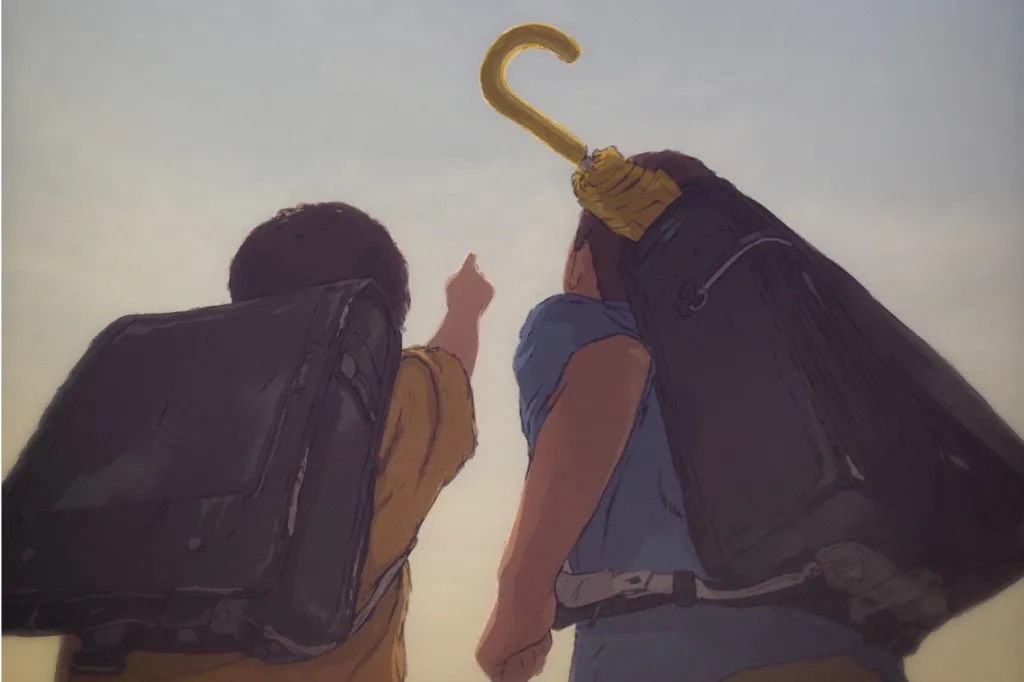
Credit: We Are Aliens (Nothing New, Miyu)
Childhood is full of little moments that leave a bigger impression than we initially anticipated. Sometimes, they’re fond memories that take us back to a more innocent time. It can also be when that innocence died. There comes a point when we realize that our actions have consequences. This can range from our parents taking our game system away to our entire futures being derailed. The main characters in We Are Aliens, the debut feature from Kohei Kadowaki, are bonded by a misunderstanding from their youth. One spends his entire life running from that memory. The other can’t let go of it.
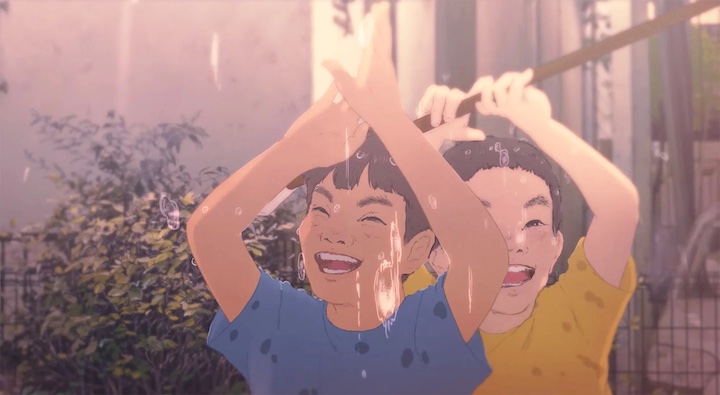
Over the summer of third grade, Tsubasa and Gyotaro become inseparable friends. In some regards, the two are opposites. Tsubasa is more introverted, living in fear of his stern mother. Gyotaro is the outgoing type, having an easier time making friends than Tsubasa. When they’re at play, though, Tsubasa is the see to Gyotaro’s saw. That summer together is the happiest we ever see them. What seems like only the beginning of a beautiful friendship spirals over an umbrella, a school project, a mutual crush, and a lack of communication.
The first half of We Are Aliens is told from Tsubasa’s perspective. Initially, our sympathies lie with him. He isn’t the most popular boy in school. His mother often leaves him home alone, coming off as more authoritative than nurturing when she is around. Gyotaro is a bright spot in Tsubasa’s life, at least for a while. Following an incident, Tsubasa tries to distance himself from Gyotaro, who nonetheless keeps popping up. Gyotaro’s behavior becomes so erratic that Tsubasa wonders if he may, in fact, be an alien.
Kadowaki’s team used child actors as live references, bringing a sense of realism to the character designs. At the same time, there’s a layer of exaggeration to the characters, especially in their almost warped eyes. This not only stresses what they’re going through internally, but how it’s affecting them physically. Tsubasa is overcome with paranoia and pressure. As we shift to Gyotaro’s perspective, though, we see that Tsubasa isn’t the only one who had a difficult upbringing.
The once happy-go-lucky Gyotaro becomes unrecognizable as the years progress, eventually bringing him back to Tsubasa. Seeing both sides of the story, there may not be a villain in all of this. That doesn’t mean there aren’t hard feelings over damage that can’t be undone. When the boys turned men are reunited, will it be an explosion, the start of the healing process, or a bit of both? I won’t dare spoil where the journey takes them.
We Are Aliens is not only Kadowaki’s debut feature, but the first film from Nothing New, which co-produced with Miyu. For a first film, We Are Aliens is an impressive feat with animation and characters that feel equally grounded. That’s not to say there aren’t areas that Kadowaki can show improvement with his next film. Thematically, We Are Aliens bites off a little more than it can chew, especially at almost two hours. The final act, in particular, could’ve been a tad tighter. These pacing issues aside, We Are Aliens proves to be more than a coming-of-age film. It’s about how some of us never truly come of age, too haunted by the past to move on.

Nick Spake is the Author of Bright & Shiny: A History of Animation at Award Shows Volumes 1, 2, and 3. Available Now!