A website dedicated to animation, awards, and everything in between.
Cocoon – One Summer of Girlhood Review | A Devastating Debut from Studio Sasayuri

Credit: Cocoon – One Summer of Girlhood (GKIDS)
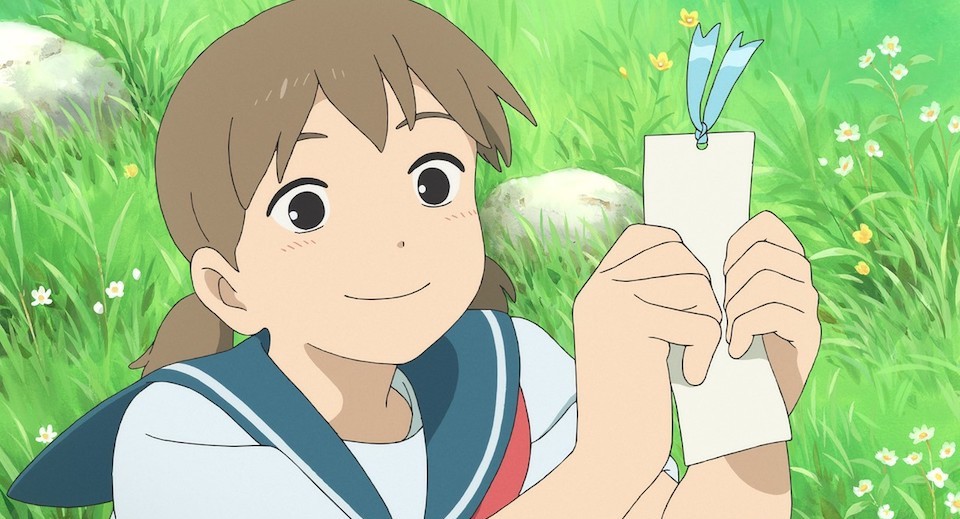
Cocoon – One Summer of Girlhood reminded me of another manga adaptation, 2024’s Look Back. Both start as charming coming-of-age stories with a blossoming bond at their heart. Then they take a sharp turn, demonstrating how a young person’s life can change in an instant. Just as life can be fleeting, Look Back clocked in at just shy of an hour. Cocoon exceeds that runtime by only a couple of minutes. Yet, Look Back packed in more raw emotion than some features exhibit with twice the amount of time. The same can be said about Cocoon, a wartime drama that also earns comparison to In This Corner of the World and Grave of the Fireflies.
Speaking of which, Cocoon marks the first feature from Sasayuri, which Studio Ghibli alumnus Hitomi Tateno founded. This is evident in the animation, which not only has the Ghibli look, but also its atmosphere. Despite being set during a world war, Cocoon lures us into a false sense of security as wind blows through the elegantly drawn grass. While the war on the horizon is visibly growing closer, young San has other matters on her mind as the film commences. San attends an all-girls school on a Japanese island. Among her fellow students is Mayu, whom San takes a special interest in. San may have more than friendship on her mind, which raises some intriguing conversations as we learn more about Mayu.
Before San and Mayu can consider what’s developing between them, the war arrives at their doorstep in the most devastating way possible. San and her classmates are confined to a cave, tending to wounded soldiers. The once-gossiping, giggling schoolgirls are forced to become adults, adapting in ways they weren’t prepared for. San is told that she owes her country a debt of gratitude. San's takeaway from this lecture, though, is that her country is the one doing this to her and the other girls. They didn’t ask for this war, but participation isn’t a choice. Even the most loyal girls eventually realize that the country they’ve been instructed to serve has abandoned them.
The imagery in Cocoon manages to be shocking and provocative without showing much blood. The film finds a clever workaround in a genuinely gut-wrenching metaphor for the loss of innocence. Yukimitsu Ina demonstrates a keen visual eye with this striking directorial debut. It’s a haunting piece of work, especially considering that Cocoon was produced as a TV movie in Japan. GKIDS is thankfully giving the film the big-screen treatment for its North American release. Cocoon warrants the silver screen, even if you wish the experience could last longer.
As much as Cocoon accomplishes in an hour, it might’ve reached another tier of greatness with twenty more minutes. The supporting characters, in particular, are where the film could’ve been fleshed out. There’s a scene towards the end where the other girls in San’s school must make an agonizing decision. As harrowing as this moment is, the audience would be a complete wreck if we knew just a little more about the girls put in this impossible situation. With the time the filmmakers were given, though, the focus is where it should be: between San and Mayu, who share a heartbreaking yet hopeful dynamic that had my soul on fire by the end. If this is Sasayuri in their cocoon stage, I can’t wait to see the studio emerge as a butterfly.

Nick Spake is the Author of Bright & Shiny: A History of Animation at Award Shows Volumes 1, 2, and 3. Available Now!