A website dedicated to animation, awards, and everything in between.
2026 Oscar-Eligible Animated Short Ordinary Life Director Yoriko Mizushiri Interview

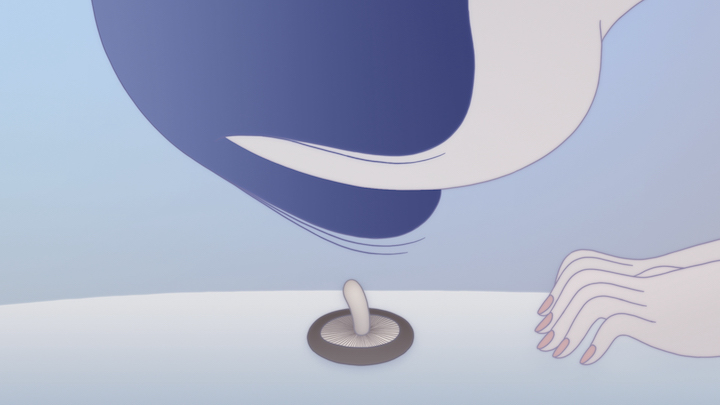
Credit: Ordinary Life (Yoriko Mizushiri)
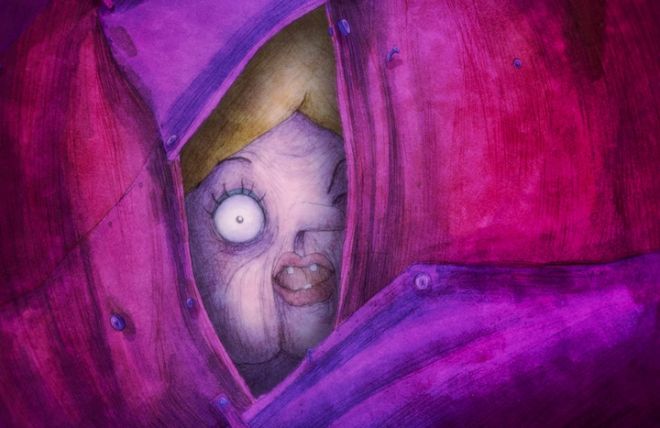
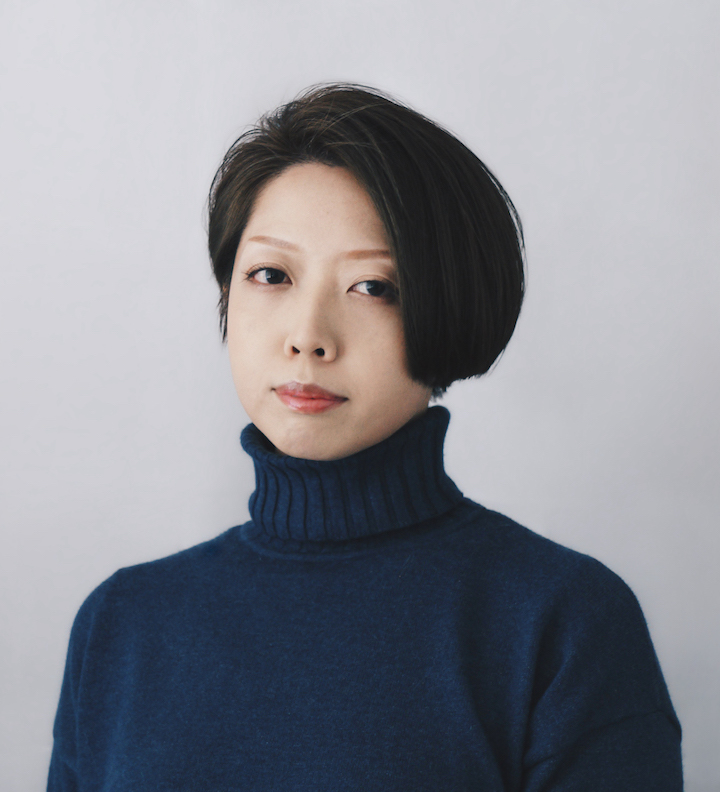
Only so many directors in animation can say that they have a style that’s all their own. Those familiar with Yoriko Mizushiri will immediately recognize her work, not only through their soft visual aesthetics, but from their atmospheric tone and sensory storytelling. Mizushiri’s latest short, Ordinary Life, revolves around repetition. Winning Best Animated Short at the Nashville Film Festival, Ordinary Life has qualified for consideration at the 98th Academy Awards. Cartoon Contender spoke with Mizushiri about sensory-based filmmaking, what she hopes audiences will experience watching the film, and her far-from-ordinary touch.
Credit: Yoriko Mizushiri
Q: What was the inspiration behind Ordinary Life?
A: I developed this film by focusing on the idea of “repetition.” What people consider “ordinary” differs from person to person, yet everyone’s life is filled with daily repetition. Still, nothing is ever truly the same—everything is constantly changing. Within that flow, we live while sensing various textures and feelings directly through our bodies. By drifting through images of a consciousness moving between past and future, I wanted to express the act of cherishing “this very moment,” the moment in which we actually feel those sensations.
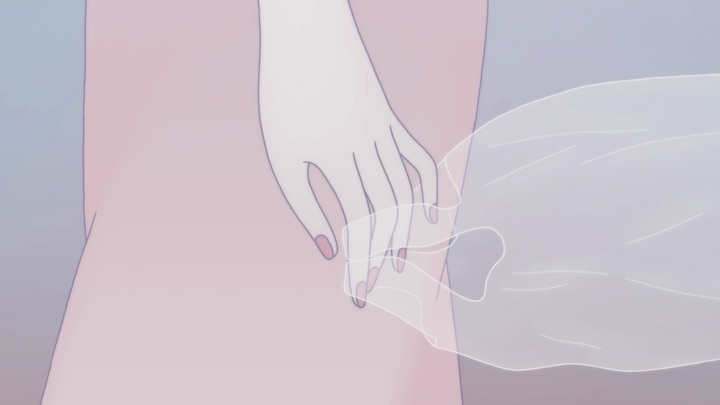
Q: Fingernails are prominently featured in Ordinary Life and your last film, Anxious Body. This is fitting, as the objects in your work practically feel tangible to the audience. What do you think is the key to creating the sense of touch in animation?
A: When I draw animation, I unconsciously assign a specific texture to each object. It’s as if I’m looking at the object under a microscope and drawing the lines while imagining what it would feel like to actually touch it. I adjust the drawings until the texture matches exactly what I envisioned, and only then do I create the movement. A clear tactile image—and the persistence to shape it faithfully—are essential.
Q: Is there a particular reason why the central figure in Ordinary Life lacks a face?
A: The moment you draw a face, emotions appear immediately. Since conveying tactile and sensory expression is the most important aspect of my work, I try to exclude anything that might interfere with that. I don’t want to convey emotion—I want to share only the sensations and feelings.
Q: Soft, pastel colors are a staple of your work. What draws you to this color scheme?
A: Softness is essential to my work. Softness and flexibility are important qualities both physically and mentally, and I think they have a positive influence on people. That may be why I’m naturally drawn to soft pastel tones. I often use pinks, light purples, and blues, but rarely yellow or green—I’m not sure why. Those colors simply don’t feel right in my compositions.
Q: Ordinary Life won Best Animated Short at the Nashville Film Festival, qualifying it for Oscar consideration. What have been some standout moments from the film’s festival run?
A: Unfortunately, I haven’t had many opportunities to attend the festivals myself, so there aren’t any particular events I can point to. But the fact that such a sensory-based film has been screened and appreciated in so many countries is both surprising and deeply gratifying.
Credit: Ordinary Life (Yoriko Mizushiri)
Q: A mushroom, a dog, shoes, a ring, a donut, a plastic bag. There are some of the images that appear in Ordinary Life. What does each mean to you?
A: They are objects I often see in my everyday life, but they are not special to me, nor do I assign them specific meanings. By using familiar, ordinary objects—things anyone might see—I hope they evoke memories or stories within the viewer. I am also very intentional about not embedding clear meanings or messages in my work. I believe there is value in the phenomenon where the sensations transmitted visually to the viewer’s body give rise to their own meanings within them.
Nick Spake is the Author of Bright & Shiny: A History of Animation at Award Shows Volumes 1 and 2. Available Now!