A website dedicated to animation, awards, and everything in between.
10 Animated Features Not Shortlisted For the Oscar


Credit: Atlantis: The Lost Empire (Walt Disney Motion Pictures), Ne Zha 2 (A24), The Girl Who Leapt Through Time (GKIDS)
Every year since the Best Animated Feature category’s inception over two decades ago, a shortlist of qualifying films has been unveiled ahead of the nominations. A handful of animated films have been disqualified after the shortlist announcement for one reason or another. The hybrids Arthur and the Invisibles (2006), Yogi Bear (2010), and The Smurfs (2011) were deemed ineligible for not having enough animation. The SpongeBob Movie: Sponge on the Run (2020) was also taken out of contention, falling short of a qualifying run during the pandemic. Despite being disqualified, these four films still appeared on the initial Oscar shortlists.
Then, every once in a while, the Best Animated Feature shortlist is announced with a glaring omission. This typically means that the film wasn’t even submitted for the Oscar. Other times, the filmmakers might’ve tried to qualify a film. Due to a technicality, though, it was disqualified before the shortlist was even announced. Here are ten examples:
Credit: Atlantis: The Lost Empire (Walt Disney Motion Pictures)
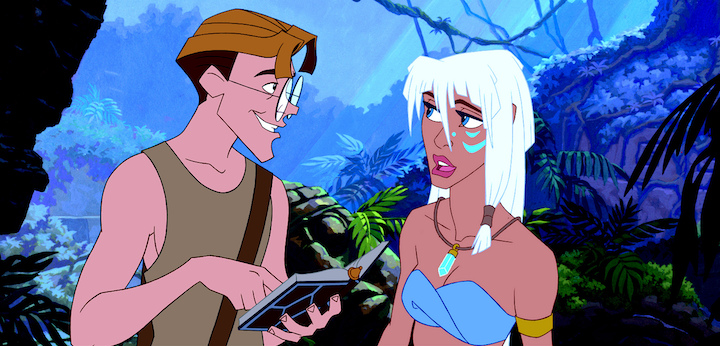
Atlantis: The Lost Empire (2001)
Despite its financial underperformance and mixed reviews upon release, Atlantis: The Lost Empire would’ve stood a reasonable shot at a Best Animated Feature nomination… had it been entered. Only nine films were submitted for the Best Animated Feature’s inaugural year. Shrek and Monsters, Inc. were the only guaranteed nominees. Although many thought the third nominee would be Waking Life, voters ultimately favored Jimmy Neutron: Boy Genius. Disney decided to yank Atlantis from consideration, believing it would split votes with Monsters. Recess: School’s Out wasn’t submitted that year either. Of course, Monsters still lost to Shrek, anyway. Moving forward, Disney started submitting all of their films rather than betting everything on one horse.
Disney famously didn't even submit Atlantis for consideration for the Oscar for Best Animated Feature in 2001 after the film had flopped.
— Will Mavity (@mavericksmovies) February 18, 2026
Apparently this did not deter the Diane Warren campaign that year pic.twitter.com/y0tTommH0u
Atlantis was still eligible in other categories like Best Original Song, as Will Mavity pointed out. Diane Warren’s “Where the Dream Takes You” wasn’t nominated, however.
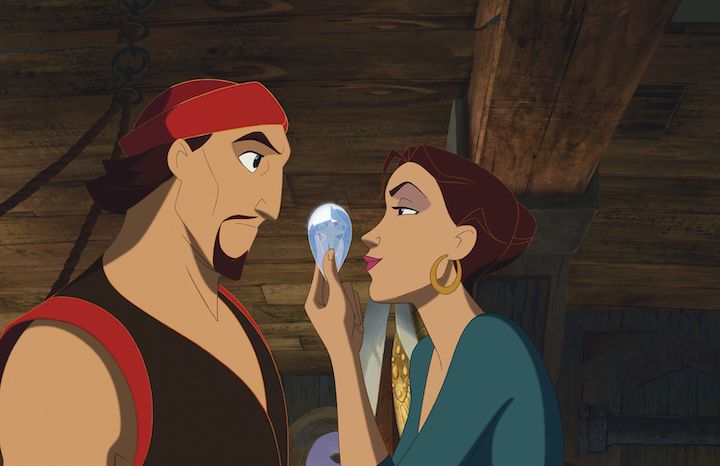
Credit: Sinbad: Legend of the Seven Seas (DreamWorks Pictures)
Sinbad: Legend of the Seven Seas (2003)
Sindbad was a make-or-break moment for hand-drawn feature animation at DreamWorks. Sadly, Sinbad sank, going down as one of the studio’s biggest bombs. Jeffrey Katzenberg was so distressed over Sinbad’s failure that he chose not to submit it for Best Animated Feature consideration. DreamWorks had already invested millions in Sinbad that they’d never recoup. They didn’t want to sink any more money into an awards campaign that likely wouldn’t have paid off. Even if Sinbad had been submitted and gotten the nomination, the Oscar was always destined for another high-seas adventure, Finding Nemo.
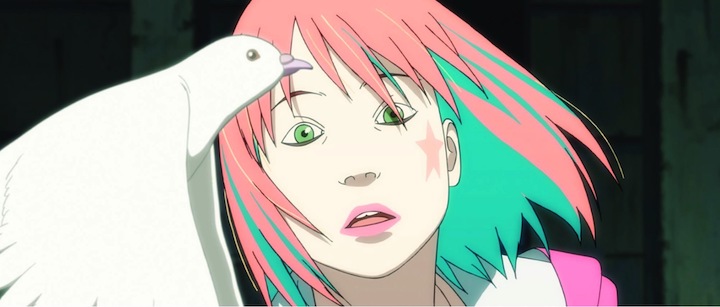
Credit: The Animatrix (Warner Bros.)
The Animatrix (2003)
While Reloaded and Revolutions have seen some reappraisal, most fans would still rank The Animatrix second after the original sci-fi classic. Although it was a home media release, there were apparently aspirations to push The Animatrix into the Oscars conversation. According to a Los Angeles Times article by animation historian Charles Solomon, it was deemed ineligible because a few segments were released online before being theatrically distributed. The Animatrix still won an Annie for Outstanding Achievement in an Animated Home Entertainment Production.
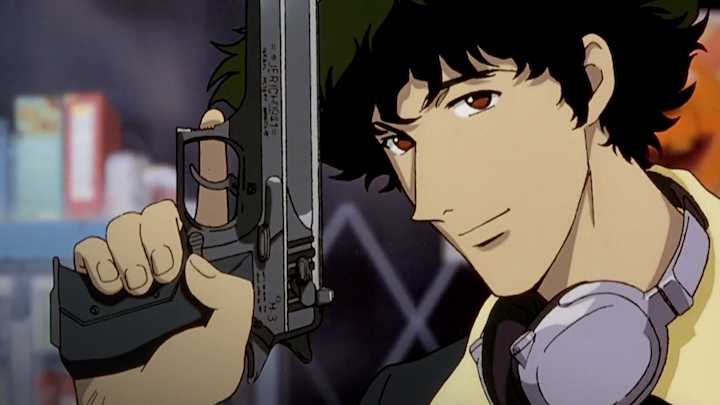
Credit: Cowboy Bebop: The Movie (Sony Pictures)
Cowboy Bebop: The Movie (2001/03)
In the aforementioned L.A. Times article, Charles Solomon also mentioned that Cowboy Bebop: The Movie saw its U.S. release in 2003. The film officially debuted in Japan two years earlier, however. According to Solomon, the two-year gap “made it too old for consideration.” This is odd, as Marco Polo: Return to Xanadu was submitted for Oscar consideration in 2001, despite being a re-edited version of a 1972 film, Marco Polo Junior Versus the Red Dragon. Regardless, Cowboy Bebop would’ve had its work cut out getting the nomination, as the Academy rarely goes for movies based on anime series. Demon Slayer: Kimetsu no Yaiba – The Movie: Infinity Castle came close to a nomination this past year, but didn’t get in at the Oscars even with Crunchyroll’s full backing.
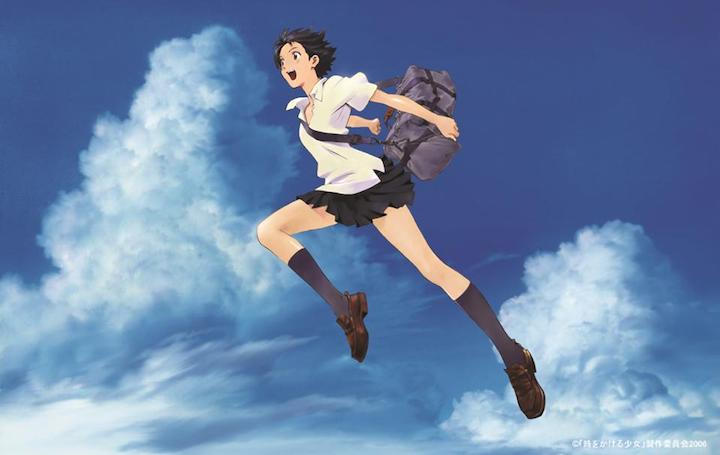
Credit: The Girl Who Leapt Through Time (GKIDS)
The Girl Who Leapt Through Time (2006)
Even two decades later, many still consider The Girl Who Leapt Through Time to be director Mamoru Hosoda’s masterpiece. A classic mix of time loop sci-fi and coming-of-age themes, the film won the inaugural Japan Academy Film Prize for Animation of the Year. It wasn’t submitted for the U.S. Oscars, however. This can likely be attributed to its muted debut in the States and lack of a prominent American distributor at the time. Hosoda’s Wolf Children wasn’t submitted for Oscar consideration a few years later either. Summer Wars, The Boy and the Beast, Belle, and Scarlet from this past year would all make the Oscar shortlist, but Mirai remains Hosoda’s only Oscar nomination.
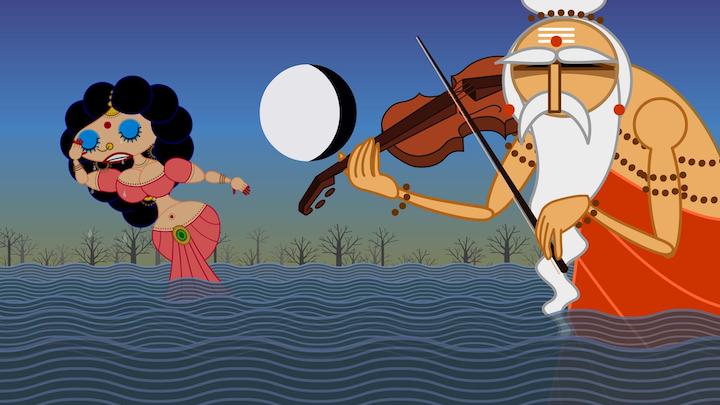
Credit: Sita Sings the Blues (GKIDS)
Sita Sings the Blues (2008)
Nina Paley directed, wrote, produced, and animated this musical feature that draws from her own life and the Ramayana. The soundtrack was largely comprised of recordings from Jazz Age singer Annette Hanshaw. Although Sita Sings the Blues received praise from critics like Leonard Maltin and several festival prizes, it couldn’t play in a commercial theater due to copyright issues concerning the film’s music. As such, Paley was unable to submit the film for Academy consideration.
“[The Academy Awards] is for commercial films,” Paley said in 2008. “That’s why you need a commercial run to be nominated. A lot of people don’t realize that.”
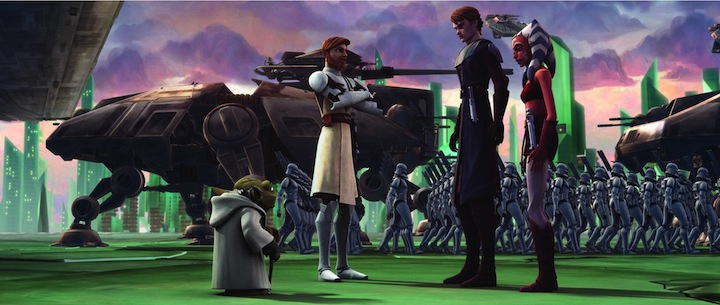
Credit: Star Wars: The Clone Wars (Lucasfilm)
Star Wars: The Clone Wars (2008)
The Clone Wars series would become one of the most beloved pieces of Star Wars media, even winning a few Emmys. The brand didn’t get off to the best start, though, with the critically panned 2008 movie. Despite the negative reviews, so-so box office, and playing more like a TV pilot, it was still a Star Wars movie on the big screen. One would assume it’d at least be submitted for Best Animated Feature, but it was a no-show on the shortlist. Yet, The Clone Wars was still included in an animated montage during that year’s Oscar telecast.
So was another animated space adventure that wasn’t submitted for the Oscars that year: Space Chimps. Also missing from that year’s shortlist was Fly Me to the Moon. 2008, a bizarrely specific year for poorly received animated space movies.
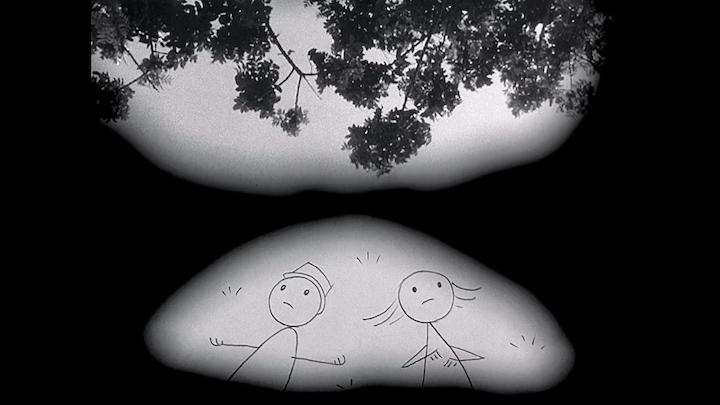
Credit: It’s Such a Beautiful Day (Don Hertzfeldt)
It’s Such a Beautiful Day (2012)
Don Hertzfeldt’s films may be aesthetically simple, but he’s constantly pushing animation to uncharted territory in terms of themes, surrealism, and experimentation. Even stylistically, no artist has brought more layers to stick figures than Hertzfeldt. It's Such a Beautiful Day is not only widely considered his best work, but one of the greatest animated features ever made. Technically, this feature is comprised of three shorts, one of which, 2006’s Everything Will Be OK, was shortlisted for Best Animated Short consideration. Being mostly made up of preexisting material, It’s Such a Beautiful Day wasn’t eligible for the Best Animated Feature Oscar. According to a Cartoon Brew article by Jerry Beck, the film was screened in September 2012. Although Beck claimed this would “qualify the 70 minute film for Academy Award consideration,” this apparently didn’t pan out.
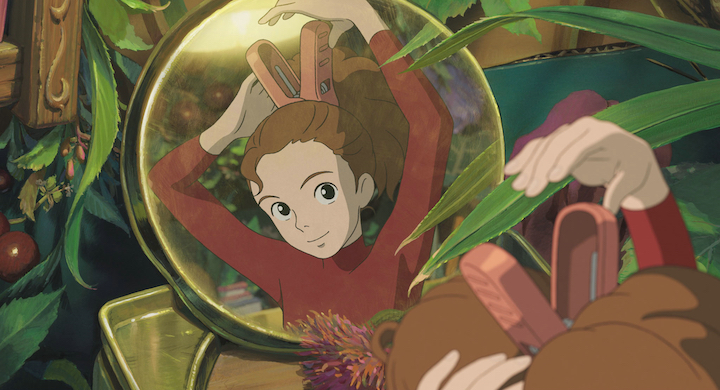
Credit: The Secret World of Arrietty (Studio Ghibli)
The Secret World of Arrietty (2010/12)
Although Studio Ghibli remains a prominent Oscar player, a handful of the studio’s films weren’t entered for Best Animated Feature consideration. 2006’s Tales from Earthsea was one, but the most notable exclusion was 2010’s Arrietty. In 2012, the film reached the States under the title The Secret World of Arrietty with an English language dub. Although the Ghibli/Disney combo carried Spirited Away to a win and Howl’s Moving Castle to a nomination, Arrietty wasn’t submitted for the Oscar. Supposedly, this was another case of missing the release window for eligibility. Disney’s slate was also stacked that year with Wreck-It Ralph, Frankenweenie, and the eventual winner, Brave.
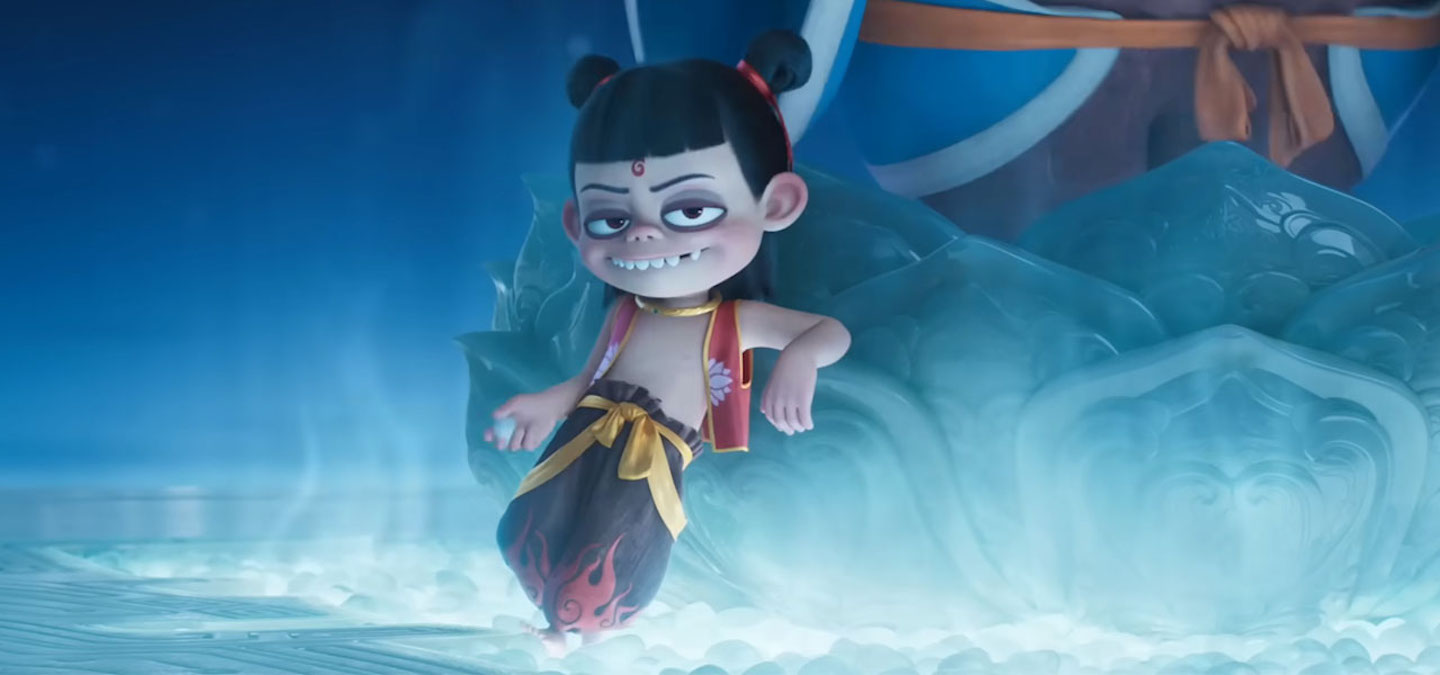
Credit: Ne Zha 2 (A24)
Ne Zha 2 (2025)
If you asked someone what the highest-grossing animated movie of all time is, they’d probably say a Disney or Pixar film. Up until recently, they might’ve been right, but China’s Ne Zha 2 blew the previous record out of the water with more than $2 billion. Yet, the film underperformed in North American theaters not once, but twice, with A24’s subsequent English dub igniting little fanfare. Ne Zha 2 strangely didn’t qualify for the Cinematic and Box Office Achievement Golden Globe, having failed to make at least $100 million in America. Regardless, with A24 handling the film’s release, Ne Zha 2 would at least be an Oscar player, right?
Something was clearly off when A24 started releasing FYI ads and screeners, but Ne Zha 2 was nowhere to be found. Even with that red flag, it was shocking to see Ne Zha 2 missing from that year’s Best Animated Feature submissions. According to Gold Derby, A24 “did not handle submissions for the film.” There seems to be some confusion as to who would’ve been responsible for the film’s awards campaign. The original Ne Zha was not only submitted for Best Animated Feature consideration in 2019, but it was China’s submission for Best International Feature that year. While the first film wasn’t nominated, it’s curious that its record-breaking sequel wasn’t even submitted in 2025. Neither was Paramount’s Smurfs… which isn’t as surprising.

Nick Spake is the Author of Bright & Shiny: A History of Animation at Award Shows Volumes 1, 2, and 3. Available Now!